Thursday, September 7, 2017

Mothers: Would you let your son play football?

Excerpted from Healing the Brain: 
Concussions and CTE


Introduction
When You Watch Your Next Football Game...


Men in White and Black Playing Football · Free Stock Photo
Free Stock Photo
From high school to college to professional levels, football dominates American sports and exposes millions to head traumas on practically every play.


It is a paradox of wide proportions. From opening day in September to the Super Bowl in February, the National Football League (NFL) dominates American sports and wins television ratings far beyond any other program--sports or otherwise.


Increasingly, though, discussions of football (and other sports) include the medical terms concussion and chronic traumatic encephalopathy (CTE), a long-term degenerative and incurable brain disease. Although military personnel and others are vulnerable to the disease, the highest risk is among athletes involved in contact sports in which hits to the head are considered “part of the game.”


Ten years ago, few would have predicted that the movie “Concussion” starring Will Smith would be made. Fewer would have predicted that brain injuries would one day dominate the sports headlines. When former NFL star Junior Seau committed suicide in May 2012, the media focused almost entirely on whether the thousands of head blows he endured during his 19-year career as a middle linebacker were a contributing factor.


More than 3,000 former NFL players sued the league for allegedly misleading them about the risks of brain injury. The players and the league settled for more than $1 billion in damages. New policies and studies aimed at protecting the brains of athletes seem to be announced every week. But it’s not just professional athletes who are the focus of attention. No fewer than 40 states have passed laws requiring athletes in schools and recreational programs to schedule a doctor’s appointment when a concussion is suspected.


A progressive, degenerative brain disease, CTE can present itself  in athletes and others with a history of repetitive brain trauma months, years, or even decades after injury. Memory loss, confusion, depression, aggression, impaired judgment or impulse control, and, eventually, progressive dementia may result.


...


Children at Risk


Most brain trauma in the industrialized world occurs in children playing sports. Since participation is voluntary, and the rules of recreational sports are malleable, it seems reasonable to make every effort to reform each individual sport, with the goal of reducing risk of concussions and CTE. As logical as that sounds, adoption of brain trauma limits and other protections for athletes has been remarkably slow. Based on what we know today, there are a number of steps we can take to lower the risk of concussion and CTE.


New rules in both these sports have since been designed to lessen brain trauma; but with every new horror story that emerges on the sports pages, parents worry even more. What sports should I allow my child to play? What power do I have to protect my child on the field? To evaluate the risk, simply compare how that sport is played at the youth versus adult level, and consider the safeguards professionals are provided. Football is a prime example since, amazingly, 6-year-olds play by essentially the same rules as professionals. Right now we have a healthy national discussion about whether the NFL is too dangerous for adults, yet we pay less attention to the risks of youth leagues, despite the fact that football is far more dangerous for kids.


We need to consider the way the human brain develops and recognize that children are at an anatomical disadvantage compared with NFL players. A child’s axons, which connect brain cells to one another, are not fully myelinated (in other words, insulated), and his or her brain cells are more sensitive to the neuron-damaging shock of concussions, making each impact and concussion potentially more damaging to the brain.


When asked about the future of the sport he loves and through which he supported his family, a recently retired coach from the University of Albany, NY, said “No doubt in ten years it will be a very different game, if it exists at all. And in this case parents have to make the decision to allow their child to play. To the great worry of the NFL, increasingly parents are saying no.”

Order today from Amazon!

Table of Contents

Dedication…….....7
Introduction: When You Watch Your Next Football Game….…..8


  1. Nurturing Strength and Confidence……..…12
  2. Exploring the Brain in Words and Pictures…….....19
  3. Use It or Lose It: Maintaining Brain Health……..….35
  4. The Power of Emotions……...38
  5. Wounds that Time Alone Won’t Heal: The Biology of Stress……….41
  6. Substance Abuse: Saying No Is Very Hard to Do……...57
  7. More than Just the Blues: Depression Is a Real Illness……….86
  8. Teen Suicide: Death in Life’s Springtime……...108
  9. Concussions and CTE: Healing a Broken Brain……..114
  10. Minority Stress and LGBT/Q Health…………………..134
  11. The Great Brain Books……..137


Appendix I: A Glossary of Key Brain Science Terms…...149
Appendix II: Maps of the Brain…...168
Appendix III: Learn More About It: Resources on the Brain…...173

National Drug & Alcohol IQ Challenge…………… ….187


Saturday, September 2, 2017

Limited offer: free e-books on the brain and health


These books, part of the Healing the Brain Series from A Thousand Moms cover topics important to teachers, students, parents, counselors...anybody concened with their family, their friends, theirselves. Please take a look, download these flipbooks, and share. 

About the author: David Balog is chief information officer for A Thousand Moms: Building Community Support for Lesbian, Gay, Bisexual and Transgender Youth in Foster/Adoptive Care. He was a science/medical writer at the Dana Foundation in New York City, where he created, wrote and edited the Dana Sourcebook of Brain Science through four editions. More than 50,000 copies of this widely acclaimed book was distributed to teachers, students, and professionals in all 50 states and numerous other countries.


Amazon.com reviews: Author David Balog has done an excellent job of creating a book for educators (or anyone working with youth) that explains the complicated workings of the brain in an easy to understand manner. Balog goes on to discuss various types of trauma and how the adolescent brain responds to trauma such as depression, stress, addiction, risk taking, PTSD, etc. 
[A] cohesive narrative about a subject that has been put in the dark by society. I was informed about things I thought I knew plenty about. I was inspired by the read and heavily recommend that anyone reading this reviews invests themselves into this book and the cause it strives for. 
Provides comfort and learning to the reader. Flows easily from one topic to the next and knits tidbits of information together in a unifying mosaic. Easy to read. Difficult to put down. 
CLICK HERE

CLICK HERE


CLICK HERE

CLICK HERE 
CLICK HERE

CLICK HERE

CLICK HERE

CLICK HERE

Saturday, August 26, 2017

More than the blues: depression


Depression​ ​and​ ​mania—the​ ​companion​ ​moods​ ​of​ ​bipolar​ ​disorder—are​ ​“ancient illnesses”​ ​and​ ​common​ ​among​ ​the​ ​general​ ​population,​ ​and​ ​successfully​ ​treating​ ​them is​ ​perhaps​ ​the​ ​best​ ​way​ ​to​ ​eliminate​ ​the​ ​stigma​ ​surrounding​ ​mental​ ​illness,​ ​says​ ​Kay Redfield​ ​Jamison,​ ​a​ ​foremost​ ​academic​ ​authority​ ​on​ ​manic-depressive​ ​illness​ ​whose best-selling​ ​memoir​ ​​An ​ ​ Unquiet ​ ​ Mind ​ ​​ chronicled​ ​her​ ​early​ ​experience​ ​with​ ​bipolar disorder. 

All ​the ​major ​psychiatric ​illnesses disproportionately hit ​the ​young, ​and particularly ​college ​ ​
age. “The​ ​average​ ​age​ ​of​ ​onset​ ​of​ ​bipolar​ ​illness​ ​is​ ​17,​ ​18,​ ​19.​ ​All​ ​of​ ​the​ ​major​ ​psychiatric illnesses​ ​are​ ​illnesses​ ​of​ ​youth,”​ ​Jamison​ ​said.​ ​“It’s​ ​not​ ​like​ ​cardiac​ ​disease,​ ​it’s​ ​not​ ​like dementia,​ ​it’s​ ​not​ ​like​ ​cancer,​ ​which​ ​disproportionately​ ​hit​ ​older​ ​people.​ ​All​ ​the​ ​major psychiatric​ ​illnesses​ ​disproportionately​ ​hit​ ​the​ ​young,​ ​and​ ​particularly​ ​college​ ​age.”

Jamison​ ​said​ ​it’s​ ​also​ ​important​ ​to​ ​note​ ​that​ ​depression​ ​and​ ​mania​ ​are​ ​not​ ​modern ailments.​ ​Hippocrates​ ​described​ ​mania​ ​and​ ​melancholia​ ​extremely​ ​well​ ​in​ ​about​ ​500 B.C.,​ ​she​ ​said,​ ​as​ ​did​ ​the​ ​authors​ ​of​ ​ancient​ ​Persian​ ​and​ ​Chinese​ ​texts.  “Depression​ ​and​ ​mania​ ​are​ ​complex​ ​and​ ​multifaceted​ ​disorders,”​ ​said​ ​Dr.​ ​Jamison​ ​in​ ​a talk​ ​at​ ​Vanderbilt​ ​University​ ​in​ ​2017.​ ​(www.Vanderbilt.edu) 


“When​ ​we​ ​talk​ ​about​ ​these​ ​illnesses,​ ​we’re​ ​not​ ​just​ ​talking​ ​about​ ​illnesses​ ​of​ ​mood,” she​ ​said.​ ​“We’re​ ​talking​ ​about​ ​illnesses​ ​of​ ​energy​ ​and​ ​sleep​ ​and​ ​cognition—the​ ​ability to​ ​think​ ​clearly,​ ​the​ ​ability​ ​to​ ​reason.”  This​ ​is​ ​particularly​ ​problematic​ ​on​ ​college​ ​campuses,​ ​she​ ​said,​ ​where​ ​the​ ​essence​ ​of what​ ​young​ ​people​ ​are​ ​doing​ ​is​ ​learning.​ ​“When​ ​you​ ​have​ ​illnesses​ ​that​ ​disrupt​ ​that capacity​ ​to​ ​learn,​ ​it​ ​can​ ​be​ ​very,​ ​very​ ​frightening,”​ ​she​ ​said.​ ​“Suicidal​ ​thinking​ ​is​ ​not uncommon,​ ​and​ ​unfortunately,​ ​suicide​ ​is​ ​not​ ​uncommon.” 

Moods​ ​during​ ​depression​ ​includes​ ​hopelessness,​ ​irritability​ ​and​ ​apathy,​ ​she​ ​said. Mania,​ ​on​ ​the​ ​other​ ​hand,​ ​is​ ​the​ ​opposite​ ​in​ ​most​ ​ways.  “When​ ​people​ ​are​ ​manic,​ ​they​ ​have​ ​an​ ​incredible​ ​amount​ ​of​ ​energy,”​ ​Jamison​ ​said. “They​ ​speak​ ​and​ ​think​ ​quickly,​ ​they​ ​need​ ​far​ ​less​ ​sleep​ ​than​ ​usual,​ ​they’re​ ​restless, irritable,​ ​and​ ​they​ ​show​ ​astonishingly​ ​bad​ ​judgment.​ ​They​ ​spend​ ​money​ ​they​ ​don’t have,​ ​and​ ​they​ ​impose​ ​their​ ​enthusiasms​ ​and​ ​convictions​ ​on​ ​others.​ ​They’re​ ​impulsive, reckless,​ ​and​ ​they​ ​impetuously​ ​start​ ​new​ ​projects​ ​and​ ​new​ ​relationships.  “Mania,​ ​in​ ​short,​ ​is​ ​a​ ​high-voltage​ ​state,”​ ​she​ ​said.  Bipolar​ ​disorder​ ​is​ ​very​ ​common,​ ​Jamison​ ​said.​ ​

Approximately​ ​one​ ​person​ ​out​ ​of​ ​100 will​ ​develop​ ​a​ ​severe,​ ​classic​ ​form​ ​of​ ​the​ ​illness,​ ​and​ ​another​ ​2-3​ ​per​ ​cent​ ​of​ ​the population​ ​will​ ​experience​ ​a​ ​milder​ ​form.​ ​Some​ ​15-20​ ​per​ ​cent​ ​of​ ​people​ ​will​ ​have​ ​at least​ ​one​ ​episode​ ​of​ ​major​ ​depression​ ​in​ ​their​ ​lifetime.  “These​ ​are​ ​not​ ​weird,​ ​bizarre​ ​diseases—these​ ​are​ ​common.​ ​Depression​ ​is​ ​known​ ​as​ ​‘the common​ ​cold​ ​of​ ​psychiatry’​ ​for​ ​good​ ​cause,”​ ​she​ ​said.  Both​ ​depression​ ​and​ ​bipolar​ ​illness​ ​are​ ​genetic,​ ​she​ ​noted.​ ​Men​ ​and​ ​women​ ​are​ ​equally liable​ ​to​ ​bipolar​ ​illness,​ ​and​ ​women​ ​are​ ​about​ ​twice​ ​as​ ​likely​ ​to​ ​get​ ​depression.​ ​In addition,​ ​alcohol​ ​and​ ​drug​ ​abuse​ ​are​ ​very​ ​common​ ​among​ ​those​ ​who​ ​experience​ ​these disorders.​ ​The​ ​highest​ ​comorbidity​ ​in​ ​psychiatry​ ​is​ ​with​ ​bipolar​ ​illness​ ​and​ ​alcohol​ ​or drug​ ​abuse,​ ​she​ ​said. 

Jamison​ ​spoke​ ​of​ ​her​ ​own​ ​struggle​ ​to​ ​come​ ​to​ ​terms​ ​with​ ​her​ ​bipolar​ ​illness​ ​and​ ​to accept​ ​the​ ​necessity​ ​of​ ​taking​ ​lithium​ ​to​ ​treat​ ​it. 


Healing ​the ​Brain: ​Depression ​and ​Mental ​Illness ​ gives​ ​readers​ ​a​ ​view​ ​of​ ​the remarkable​ ​human​ ​brain,​ ​its​ ​capabilities,​ ​and​ ​its​ ​vulnerabilities.​ ​A​ ​brain​ ​compromised by​ ​depression​ ​and​ ​other​ ​mental​ ​illnesses​ ​is​ ​tragic​ ​and​ ​in​ ​many​ ​cases​ ​increasingly treatable.​ ​

AVAILABLE ON AMAZON.COM

Tuesday, August 15, 2017

What does legalized pot mean?


Changes in marijuana policies across states legalizing marijuana for medical and/or recreational use suggest that marijuana is gaining greater acceptance in our society. Thus, it is particularly important for people to understand what is known about both the adverse health effects and the potential therapeutic benefits linked to marijuana.

Because marijuana impairs short-term memory and judgment and distorts perception, it can impair performance in school or at work and make it dangerous to drive. It also affects brain systems that are still maturing through young adulthood, so regular use by teens may have negative and long-lasting effects on their cognitive development, putting them at a competitive disadvantage and possibly interfering with their well-being in other ways. Also, contrary to popular belief, marijuana can be addictive, and its use during adolescence may make other forms of problem use or addiction more likely.

Whether smoking or otherwise consuming marijuana has therapeutic benefits that outweigh its health risks is still an open question that science has not resolved. Although many states now permit dispensing marijuana for medicinal purposes and there is mounting anecdotal evidence for the efficacy of marijuana-derived compounds, the U.S. Food and Drug Administration has not approved "medical marijuana." However, safe medicines based on cannabinoid chemicals derived from the marijuana plant have been available for decades and more are being developed.

Courtesy: NIDA

Learn more about it.


Thursday, August 10, 2017

Trump declares epidemic. Get the facts on opioids here.


Sample free e-pub. Click here.

alc.jpg
Overdoses are now the leading cause of death for Americans under 50. Only 1 in 4 Americans with opioid addiction are getting the treatment they need. The national opioid addiction crisis is poised to get even worse as new synthetic drugs are introduced. The consequences affect the foster care system greatly, and in particular, gay youth in foster care.

Presented in clear, non-complicated language to help the lay reader

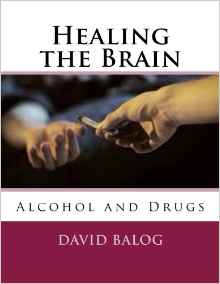
To empower participants, coverage in this book includes a basic coverage of how addiction works in the brain and body. Substance abuse topics include: How the brain works; Why is addiction a brain disease? Opioids/heroin; Methamphetamines, cocaine; and Alcohol and marijuana. A related podcast covers support topics for parents, educators, social workers and clergy: Positive parenting as a prevention tool for drug abuse; Communication, encouragement,and negotiations; Setting limits; supervision, and knowing your child's friends. This program is presented by Fred Elia, MS, president of A Thousand Moms, and David Balog, author, Dana Foundation’s Sourcebook of Brain Science and Healing the Brain: Stress, Trauma and Development.
Contributions are encouraged to support the ongoing work of A Thousand Moms. All contributions are tax deductible.
Supporters who can contribute $20 or more will receive a hardbound copy of the book. An e-pub version is available for $2.00.
Please make contributions at www.athousandmoms.org.
Click the donate bar.


Founded in 2009, A Thousand Moms builds community support for LGBT/Q youth in foster/adoptive care. It is a program of the National Association of Former Foster Children, a registered 501(c)3 organization.

Sunday, August 6, 2017

Paying with our health: 4 tips to financial recovery

It’s official: Money is stressful. 

For the seventh year in a row, the American Psychological Association’s annual Stress in America survey found that money is the top source of stress for American adults. More than a quarter of Americans say they feel stressed about money most or all of the time. Only 30 percent rate their financial security as high (8, 9 or 10 on a 10 point scale where 1 is not at all financially secure), and more than two-thirds believe that more money would make them happier.

People deal with stress in many different ways — sometimes healthy, often not. People commonly deal with anxiety by avoiding whatever it is that makes them anxious. Unfortunately, if you avoid dealing with your finances, you’ll likely create more financial problems, and more anxiety, in the long term.

Money matters are too important to ignore. Financial illiteracy is linked to money mismanagement and to debt. Debt, in turn, is associated with lower self-esteem, lower productivity and greater stress. Unsurprisingly, research has also linked financial strain to depression.

If you’re struggling with financial avoidance or financial denial, you can take action to get your money matters back on track.

Warning signs

How do you know if you’re avoiding reality when it comes to finances? Here are some of the clues:

  • You try to put money and finances out of your mind.
  • You avoid talking about money with family and friends.
  • You avoid opening bank statements or credit card bills.
  • You don’t know what your credit score is.
  • You don’t know your net worth.
If you can relate to any of these feelings and behaviors, it may be time to take a hard look at your relationship with money.

Beliefs and attitudes

We develop our beliefs and attitudes about money early in life. Often, we aren't even consciously aware of what our beliefs are, let alone where we learned them. If you’re dealing with financial avoidance or financial denial, it can help to think critically about the money beliefs you learned in childhood. Think about what your parents taught you about money. Talk to family members about their money beliefs. Then try to challenge your existing beliefs about money.

Many people feel embarrassed about their debt, ashamed that they let bank statements pile up unread. But that shame keeps you stuck. Try to move past the self-blame so you can take some concrete steps toward financial health.

Take action


  1. Keep tabs. Tracking your income and your spending is critical to healthy finances. If you’re not tracking money coming in and money going out, you don’t know if you’re spending your resources on the things that really matter to you.
  2. Develop a spending plan. For some people the word “budget” like the word “diet,” calls to mind feeling deprived. Instead of figuring out where to cut back, think about what you want to spend. If going to concerts or sporting events is really important to you, you might decide to spend more money on those outings and less on dining out or cable television. By making such decisions more intentional, you’ll get the most bang for your buck.
  3. Make it easy on yourself. Use automated systems as much as possible. Arrange to have a portion of your paycheck automatically deposited into your savings account and your retirement account. Set up automatic reminders to alert you when a bill is due. It’s a lot harder to make a bad decision when the decision is out of your hands.
  4. Use tools. Technology makes it easier than ever to stay on track financially. A variety of software programs and apps can help you track spending and set spending and saving targets.

Seek professional help

It’s not easy to challenge your deeply held beliefs or to change ingrained behaviors. No matter how good your intentions, change is difficult. Psychologists are experts in helping people make lasting behavior changes. Research has shown that psychological treatment programs can reduce distress and anxiety and improve financial health among people with problematic financial behaviors.

Source: APA.org/helpdesk

Learn just how money stress affects your brain and health.


In the New York Capital region? 1. Get my book here or on Amazon.com. Healing the Brain: Stress & Money. 2. Contact me, David Balog, a licensed financial representative, for a free consultation. Call 646-667-4254 or email dbalog99@gmail.com.

Saturday, August 5, 2017

Money Stress: Paying with Our Health


Money doesn’t buy happiness. Just try living without it, though.

We use money every day. It runs our daily lives--pays for food, clothing, and shelter; educates our children; supports us in retirement; and everything in between.

Americans are extremely concerned over their finances. Surveys show money and personal finances to be the number one cause of stress in America.

In this book about the brain, we look at stress and trauma and how they affect the brain and subsequently our health. Insomnia, migraines, ulcers, high blood pressure, and more are triggered by money stress, according to Corporate Wellness Magazine--and any doctor who sees patients every day.

The treatment and cure for money worries doesn’t come in a pill or physical therapy. Only basic knowledge about money and how it works can ease our fears and help build a sound financial house.

Think about it: We go to school. We get courses in English, Science, Math, History...what course don’t we get? Has anybody taken a course called My Money, Money 101, or Building Personal Wealth?

So do we learn about money at work? At home?

The answers are almost always no.

This information deficit has become more critical because over the past decade, culminating in the Great Recession, the economic world of middle-class Americans shifted under our feet.

In these pages you will find information on topics that have proven important in talking to people about their finances. Folks working two and three jobs to make ends meet. People working in what they call “their retirement job.” Those trying adjust to the “new economy.”

Healing the Brain: Stress & Money gives readers a view of the remarkable human brain, its capabilities, and its vulnerabilities. A brain compromised by stress and trauma diminishes our health and yet the brain is slowly yielding its secrets to science and medicine.

Order the book by making a secure contribution to our organization, A Thousand Moms. Book cost $7.95 plus $3.50 shipping and handling, total $11.45. Order the e-pub for only $2.00. Please provide your email address on the order form.


Praise for Healing the Brain Series:

"Provides comfort and learning to the reader. Flows easily from one topic to the next and knits tidbits of information together in a unifying mosaic. Easy to read. Difficult to put down." --Michael J. Colucciello, Jr., New York State Dept. of Mental Health researcher, retired.

"Wonderfully written by Mr. Balog. A book that can help medical professionals as well as the general public, Mr Balog has tackled a subject that is complex and he makes it quite approachable. It has added and enriched my own practice of medicine by making me more aware of issues not often discussed in medical circles."--Peter Paganussi, MD, Virginia