Showing posts with label cocaine. Show all posts

Thursday, October 26, 2017

Breaking the Chain: Dramatic Advances Loom in Drug Treatment

More than 200,000 people worldwide die every year from drug overdoses and drug-related illnesses, such as HIV, according to the United Nations Office on Drugs and Crime, and far more die from smoking and drinking.

Brain researchers often refer to "the toolkit" that exists for drug addiction. New additions to "agonist" drugs and psychologic "talk" therapy are emerging rapidly. We look at a promising one here: brain stimulation.
Addiction is a brain disease. Learn about the brain and your health. Click here!

BREAKING THE CHAIN 
A serious cocaine addict who’d relapsed several times after treatment, Patrick Perotti finally resorted to an experimental treatment—the application of electromagnetic pulses to his prefrontal cortex— at a clinic in Padua, Italy. It worked. Psychiatrist Luigi Gallimberti has used transcranial magnetic stimulation on other patients with similar success. He and his colleagues are planning a large-scale trial. The technique is now being tested for other types of addiction by researchers around the world.
Patrick Perotti scoffed when his mother told him about a doctor who uses electromagnetic waves to treat drug addiction. “I thought he was a swindler,” Perotti says.
Perotti, who is 38 and lives in Genoa, Italy, began snorting cocaine at 17, a rich kid who loved to party. His indulgence gradually turned into a daily habit and then an all-consuming compulsion. He fell in love, had a son, and opened a restaurant. Under the weight of his addiction, his family and business eventually collapsed.
He did a three-month stint in rehab and relapsed 36 hours after he left. He spent eight months in another program, but the day he returned home, he saw his dealer and got high. “I began to use cocaine with rage,” he says. “I became paranoid, obsessed, crazy. I could not see any way to stop.”
When his mother pressed him to call the doctor, Perotti gave in. He learned he would just have to sit in a chair like a dentist’s and let the doctor, Luigi Gallimberti, hold a device near the left side of his head, on the theory it would suppress his hunger for cocaine. “It was either the cliff or Dr. Gallimberti,” he recalls.
Gallimberti, a gray-haired, bespectacled psychiatrist and toxicologist who has treated addiction for 30 years, runs a clinic in Padua. His decision to try the technique, called transcranial magnetic stimulation (TMS), stemmed from dramatic advances in the science of addiction—and from his frustration with traditional treatments. Medications can help people quit drinking, smoking, or using heroin, but relapse is common, and there’s no effective medical remedy for addiction to stimulants like cocaine. “It’s very, very difficult to treat these patients,” he says....
Source: National Geographic 


 VIEW IMAGESBREAKING THE CHAIN A serious cocaine addict who’d relapsed several times after treatment, Patrick Perotti finally resorted to an experimental treatment—the application of electromagnetic pulses to his prefrontal cortex— at a clinic in Padua, Italy. It worked. Psychiatrist Luigi Gallimberti has used transcranial magnetic stimulation on other patients with similar success. He and his colleagues are planning a large-scale trial. The technique is now being tested for other types of addiction by researchers around the worlGallimberti, a gray-haired, bespectacled psychiatrist and toxicologist who has treated addiction for 30 years, runs a clinic in Padua. His decision to try the technique, called transcranial magnetic stimulation (TMS), stemmed from dramatic advances in the science of addiction—and from his frustration with traditional treatments. Medications can help people quit drinking, smoking, or using heroin, but relapse is common, and there’s no effective medical remedy for addiction to stimulants like cocaine. “It’s very, very difficult to treat these patients,” he says.


 VIEW IMAGBREAKING THE CHAIN A serious cocaine addict who’d relapsed several times after treatment, Patrick Perotti finally resorted to an experimental treatment—the application of electromagnetic pulses to his prefrontal cortex— at a clinic in Padua, Italy. It worked. Psychiatrist Luigi Gallimberti has used transcranial magnetic stimulation on other patients with similar success. He and his colleagues are planning a large-scale trial. The technique is now being tested for other types of addiction by researchers around the world.

Thursday, July 20, 2017

Ritalin and Cocaine: The Connection and the Controversy


Ritalin and Cocaine: The Connection and the Controversy


Since the mid-1950s, doctors have been using Ritalin (also called methylphenidate) to treat a variety of conditions including depression, fatigue syndrome, and narcolepsy. Ritalin gained FDA approval for treatment of hyperactivity in children in 1961.

Ritalin is the most commonly prescribed medication for ADHD (attention deficit hyperactivity disorder). This treatment has helped thousands of people control their symptoms. But because Ritalin is a stimulant like cocaine, it may cause undesirable changes in the brain over time. It also has the potential for abuse, and because it’s a legal prescription drug, many wrongly assume that it is not dangerous.

So what are the benefits of Ritalin, and what are the risks?

Ritalin is currently prescribed to approximately six million people in the US. 75% of these are children, with boys receiving Ritalin about four times more often than girls.

Order your copy today and learn about the brain!

ADHD: The Benefits of Ritalin

People with ADHD have difficulty concentrating, and they can be hyperactive or impulsive. They also have lower levels of the brain chemical dopamine.

Dopamine helps people control their behavior, so having the right level of dopamine in the brain is important. Ritalin increases dopamine levels, helping those with ADHD to focus, filter out distractions, and make decisions based on reason rather than emotion.

Students in Library

Ritalin is Similar to Cocaine


Ritalin Synapse

Research shows that 10-30% of cocaine addicts have ADHD.
30-50% of adolescents in drug treatment centers report abusing Ritalin.

There can be unintended consequences when an adult uses cocaine to control their ADHD. --Dr. Glen Hansen
Like cocaine, Ritalin is a powerful stimulant that increases alertness and productivity. Ritalin and cocaine also look and act very much alike. They have a similar chemical structure, and both increase dopamine levels in the brain. They do this by blocking a dopamine transporter protein, which normally takes up dopamine from the synapse.

ADHD children are typically taken off of Ritalin when they reach adulthood. Interestingly, these individuals seem to be more prone to cocaine addiction. Why is that? Because Ritalin and cocaine are similar drugs, it's possible that ADHD adults are unknowingly using cocaine as a replacement for Ritalin. In other words, it may be an attempt to self-medicate. Cocaine may help individuals with ADHD focus and feel calm and in control.

Ritalin and Cocaine 
Ritalin (left) and cocaine (right) share a similar chemical structure and mechanism of action.

Is Ritalin Addicting?


Prescription
Ritalin is not addictive when prescribed by doctors and taken as directed. Why this difference between Ritalin and cocaine? Ritalin is a pill that you swallow, so the drug takes longer to reach the brain. Cocaine is taken in high doses by injection or snorting. It floods the brain quickly with dopamine, which makes it dangerous and addictive.

Unfortunately, Ritalin is quickly becoming a drug of choice for teens. It's relatively cheap and accessible. And because it's a prescription drug, it's perceived to be safe. But if Ritalin is abused (taken in high doses) or taken improperly (by injection or snorting), it can be just as addictive as cocaine. This is because drug delivery methods can influence the addictive potential of a drug.
Is Ritalin a “gateway drug”? Studies show that proper Ritalin use does not lead to drug abuse. --Dr. Kelly Lundberg

The Consequences of Misdiagnosis

Misdiagnosis of ADHD is a common problem that complicates the Ritalin controversy. Some say that Ritalin is now over-prescribed, and that it may cause undesirable changes in the brain over time.
Recent animal studies suggest that children who are mistakenly diagnosed with ADHD and treated with Ritalin may be more likely to develop depression as adults. This can be explained by Ritalin's effects on the reward pathway.

We know that Ritalin increases dopamine levels in the brain. But an unnecessary increase in dopamine during childhood may change how the brain develops. The brain may become desensitized to natural rewards like food, romance, and social interactions, leading to depression.
However, failing to diagnose has ADHD has its problems too: Kids with untreated ADHD are four times more likely than normal to abuse drugs.
Kids with untreated ADHD are four times more likely than normal to abuse drugs. --Dr. Glen Hanson

Saturday, July 1, 2017

The Addiction Crisis: New Education Series for Parents, Teachers, Other Concerned Individuals

Please join us...for your family, for yourself.

Save the dates and register now for our "Network of Support: The Addiction Crisis and Our Families." A four-part conference call series on the basics of drug addiction as a brain disease and strategies for parents, teachers, and social workers to better cope with this crisis.

PLEASE SHARE THIS EMAIL WITH YOUR COLLEAGUES, CLIENTS, ETC.

 
Network of Support: The Addiction Crisis and Our Families
A four-part conference-call series for educators, parents, social workers, and other concerned individuals. Tuesdays--July 18, July 25, August 1, and August 8. 11:00 am-12:00 pm EDT or Wednesdays, July 19. July 26. August 2. and August 9, 7:00 pm-8:00 pm EDT. Presented by Fred Elia, president, A Thousand Moms, and David Balog, author, Dana Foundation’s Sourcebook of Brain Science and Healing the Brain: Stress, Trauma and LGBT/Q Youth.
Overdoses are now the leading cause of death in Americans under 50. Only 1 in 4 Americans with opioid addiction are getting the treatment they need. The national opioid addiction crisis is poised to get even worse as new synthetic drugs are introduced. The consequences for the foster care system are stark, and in particular, for LGBT/Q youth in foster care.

Presented in clear, uncomplicated language

To empower participants, coverage in this series will include the basic science behind addiction and why this understanding is so important. Each session will also offer practical strategies for coping with current or potential abuse by a loved one. Topics and dates:

Program:
 
How the Brain Works; Why is addiction a brain disease and why does it matter? Positive Parenting Prevents Drug Abuse: Communication. 60 mins Tues., July 18. 11:00 am - 12:00 pm EDT., or Wed., July 19. 7:00 pm - 8:00 pm EDT. 
 
Opioid/Heroin Abuse: From prescription painkiller to killer. Positive Parenting Prevents Drug Abuse: Encouragement, Negotiation. 60 mins Tues., July 25. 11:00 am - 12:00 pm EDT or Wed., July 26. 7:00 pm - 8:00 pm EDT. 
 
Methamphetamines, Cocaine: Dopamine, the body's life-or-death chemical. Positive Parenting Prevents Drug Abuse: Setting Limits, Supervision. 60 mins. Tues., Aug. 1. 11:00 am - 12:00 pm EDT or Wed., Aug. 2. 7:00 pm - 8:00 pm EDT. 
 
Alcohol, Marijuana: Different means and underestimated. Positive Parenting Prevents Drug Abuse: Knowing your child's friends.60 mins. Tues, Aug. 8. 11:00 am - 12:00 pm EDT. or Wed., Aug. 9. 7:00 pm - 8:00 pm EDT. 
Cost:
  • Organizations, $30 per session, or $100 for all 4 sessions (unlimited access).
  • Individuals: $15 per session, $40 for the entire series.
  • Scholarships available on a limited basis. Write or call to inquire.
  • Contributions are tax deductible.
Lines are limited. RSVP ASAP by July 9 to athousandmoms@yahoo.com or call 518 322-0607. Reserve your line with a contribution to www.AThousandMoms.org

Checks can be mailed to A Thousand Moms, 2367 Curry Road, Schenectady NY 12303.

You will be notified by email of the number to call, with the log-in code. Handouts for each session will be e-mailed to participants.

Thursday, June 15, 2017

4. Cocaine: The devious white powder: The effects of 5 everyday drugs on the body & brain


Image of the brain's reward circuit.
How does cocaine affect the brain?
Cocaine increases levels of the natural chemical messenger dopamine in brain circuits controlling pleasure and movement.

Normally, the brain    releases dopamine in these circuits in response to potential rewards, like the smell of good food. It then recycles back into the cell that released it, shutting off the signal between nerve cells. Cocaine prevents dopamine from recycling, causing excessive amounts to build up between nerve cells. This flood of dopamine ultimately disrupts normal brain communication and causes cocaine’s high.

(Image of brain reward center courtest: NIDA.gov) 

  • Cocaine is a powerfully addictive stimulant drug made from the leaves of the coca plant native to South America.
  • Street dealers often mix it with things like cornstarch, talcum powder, or flour to increase profits. They may also mix it with other drugs such as the stimulant amphetamine.
  • People snort cocaine powder through the nose, or rub it into their gums. Others dissolve it in water and inject it or inject a combination of cocaine and heroin, called a Speedball. Another popular method of use is to smoke Crack cocaine.
  • Cocaine increases levels of the natural chemical messenger dopamine in brain circuits controlling pleasure and movement. This flood of dopamine ultimately disrupts normal brain communication and causes cocaine's high.
  • Short-term effects include:
    • constricted blood vessels
    • nausea
    • faster heartbeat
    • extreme happiness and energy
    • irritability
    • paranoia
  • Long-term effects include:
    • nosebleeds
    • severe bowel decay
    • higher risk of contracting HIV, hepatitis C, and other bloodborne diseases
    • malnourishment
    • restlessness
    • severe paranoia with auditory hallucinations
  • A person can overdose on cocaine, which can lead to death.
  • Behavioral therapy may be used to treat cocaine addiction.
  • While no government-approved medicines are currently available to treat cocaine addiction, researchers are testing some treatments.
Source: NIDA.gov 

Learn more about your brain! Order today!


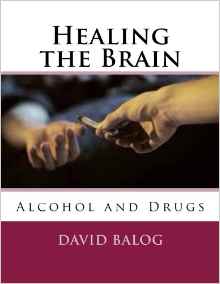
Praise for Healing the Brain
"A book that can help medical professionals as well as the general public, Mr. Balog has tackled a subject that is complex and he makes it quite approachable. It has added and enriched my own practice of medicine by making me more aware of issues not often discussed in medical circles."--Peter Paganussi, MD, Virginia

"Author David Balog has done an excellent job of creating a book for educators (or anyone working with youth) that explains the complicated workings of the brain in an easy to understand manner. Balog goes on to discuss various types of trauma and how the adolescent brain responds to trauma such as depression, stress, addiction, risk taking, PTSD, etc. LGBT/Q youth may experience trauma in ways majority youth often do not. The author shares important coping strategies....I highly recommend this book!"--Carol Dopp, M.Ed. 

"David Balog understands the strain of alienation, so he tackles this subject with compassion and concern. Mr. Balog draws on his knowledge of brain science to give readers insight into what happens to young people under tremendous stress, and he offers practical advice on how to help and cope."--Gary Cottle, author

"Provides comfort and learning to the reader. Flows easily from one topic to the next and knits tidbits of information together in a unifying mosaic. Easy to read. Difficult to put down." --Michael J. Colucciello, Jr., New York State Dept. of Mental Health researcher, retired.
"Well researched, fleshed out with relevant case histories, this book packs a lot of solid information into its 152 pages. Written in an engaging style for the layman, it covers a wide range of topics. One learns a great deal about the biology of stress, particularly the vulnerability of the brain in the pre-adult years. This book also provides a glossary of key brain science terms and a listing of organizations serving the LGBT /Q community and resources on the brain."--Gary Bordzuk, librarian

Friday, November 4, 2016

What are the risk factors for addiction?

In our new book, Healing the Brain, we take a long look at factors that put anyone at risk, especially youth, for getting addicted. We're non-judgmental and understanding in hopes to increase awareness.


II. RISK FACTORS:

What biological factors increase the risk of addiction?

Scientists estimate that genetic factors account for between 40 and 60 percent of a person’s vulnerability to addiction; this includes the effects of environmental factors on the function and expression of a person’s genes. A person’s stage of development and other medical conditions they may have are also factors.

Adolescents and people with mental disorders are at greater risk of drug abuse and addiction than the general population.

What other factors increase the risk of addiction?

Early Use.

Although taking drugs at any age can lead to addiction, research shows that the earlier a person begins to use drugs, the more likely he or she is to develop serious problems. This may reflect the harmful effect that drugs can have on the developing brain; it also may result from a mix of early social and biological vulnerability factors, including unstable family relationships, exposure to physical or sexual abuse, genetic susceptibility, or mental illness. Still, the fact remains that early use is a strong indicator of problems ahead, including addiction.

Method of Administration.
Smoking a drug or injecting it into a vein increases its addictive potential. Both smoked and injected drugs enter the brain within seconds, producing a powerful rush of pleasure. However, this intense “high” can fade within a few minutes, taking the abuser down to lower, more normal levels. Scientists believe this starkly felt contrast drives some people to repeated drug taking in an attempt to recapture the fleeting pleasurable state.


Introducing drugs during adolescence may cause brain changes that have profound and long-lasting consequences.

The brain continues to develop into adulthood and undergoes dramatic changes during adolescence. One of the brain areas still maturing during adolescence is the prefrontal cortex—the part of the brain that enables us to assess situations, make sound decisions, and keep our emotions and desires under control. The fact that this critical part of an adolescent’s brain is still a work in progress puts them at increased risk for making poor decisions (such as trying drugs or continuing to take them). Also, introducing drugs during this period of development may cause brain changes that have profound and long-lasting consequences.

 Get the book!


Tuesday, October 11, 2016

Carrie Fisher Says Donald Trump’s Sniffles Are ‘Absolutely’ a Cocaine Thing


Carrie Fisher Says Donald Trump’s Sniffles Are ‘Absolutely’ a Cocaine Thing

“I’m an expert,” tweets the actress

Via Twitter, a fan asked actress Carrie Fisher, “Tell me something about that sniffle…coke head or no?” asked the fan.
The Donald has been getting a lot of attention for his nose issues. During the first presidential debate, the Republican candidate was frequently sniffing. Social media quickly took notice and had a ball mocking his sniffles.
It seems like the only person who didn’t notice Trump’s sniffles was… Trump. The incessant sniffling was still present the second time around.
Fisher’s expertise on the signs of whether somebody is a cokehead comes from her own past drug addiction, which Fisher herself has never shied away from discussing.
Trump’s sniffles were a big topic of conversation after the first debate on September 26, and the sniffles returned for the second debate — thus the question for Fisher.
To find out if Trump’s sniffles will persist, tune in October 19 for the third and final presidential debate.