Showing posts with label heroin. Show all posts

Saturday, March 24, 2018

One character not returning to Roseanne reboot

One actor not returning to the cast of the revived Roseanne show, is Mark, the boyfriend/husband of Becky.
Glenn Quinn died from a heroin overdose in 2002.


Best known for his portrayal of Mark Healy on the popular '90s family sitcom Roseanne, Quinn also amassed a large fan base for his portrayed of Doyle, a half-demon, on Angel, a spin-off series of Buffy the Vampire Slayer.
www.healingthebrainbooks.com
Your guide to the brain and addiction
Glenn Quinn.jpg

Friday, March 2, 2018

Pain, Chronic Pain, and Opioids

Pain: What is it and how do you treat it?

Chronic pain is recognized by the World Health Organization as a leading medical issue, worldwide.

Pain also has been called a first possible step on the road to opioid addiction. A slip, a broken limb followed by a prescription to oxycontin or other powerful opioid, misuse of that prescription, and the path to heroin or fentanyl abuse can easily start.
Learn about the brain. Click here.

Pain is an unpleasant sensation and emotional experience linked to tissue damage. Its purpose is to allow the body to react and prevent further tissue damage.

We feel pain when a signal is sent through nerve fibers to the brain for interpretation.

The experience of pain is different for everyone, and there are different ways of feeling and describing pain. This can makes it difficult to define and treat.

Pain can be short-term or long-term, it can stay in one place, or it can spread around the body.

Fast facts on pain:

--Pain results from tissue damage.
--It is a part of the body's defense mechanism. --It warns us to take action to prevent further tissue damage.
--People experience and describe pain differently, and this makes it hard to diagnose.
--A range of medications and other treatments can help relieve pain, depending on the cause.

Pain chronic, acute

Pain can be chronic or acute and take a variety of forms and severities.


Pain is felt when special nerves that detect tissue damage send signals to transmit information about the damage along the spinal cord to the brain. These nerves are known as nociceptors.

The brain then decides what to do about the pain.

For example, if you touch a hot surface, a message will travel through a reflex arc in the spinal cord and cause an immediate contraction of the muscles. This contraction will pull your hand away from the hot surface.

This happens so fast that the message doesn't even reach the brain. However, the pain message will continue to the brain. Once there, it will cause an unpleasant sensation of pain to be felt.

How an individual's brain interprets these signals and the efficiency of the communication channel between the nociceptors and the brain dictate how people feel pain.

Source: Medical News Today
By Adam Felman   
Reviewed by Deborah Weatherspoon, PhD, RN, CRNA

Tuesday, February 27, 2018

Is pain treatment the root of the opioid crisis?

Check any obituary of a young person. It almost always lists heroin overdose as the cause. And going further, these heartbreaking obits describe the path to heroin beginning with treatment for an injury. 
Pain is a brain condition. Learn about your brain HERE!

As the number of U.S. prescriptions for opioids doubled over a 15-year period from 105 million in 1998 to 207 million in 2013, the number of fatal overdoses from the drugs soared almost five-fold, from 4,000 deaths a year in 1999 to nearly 19,000 in 2014. That includes people who illicitly used prescription opioids and those who overdosed on pills prescribed for them.
The problem has been building since the 1990s when a shift occurred in pain management. While traditionally medical professionals avoided opioids for any pain treatment, many doctors began using these medications a quick solution to a patient's pain.
"There was an entire movement and I was being told that we had an unrecognized epidemic of pain in America," Dr. Joseph Zebley told PBS NewsHour. "I think I, like many others, were fooled into at least partially believing that and starting to write prescriptions more liberally."
Amid the growing epidemic, many doctors also don't learn much about pain management while in medical school. A 2011 study found that during four years of training, a typical U.S. medical student spends only nine hours learning about pain.
In turn, some in the medical community, with increasing pressure from regulatory agencies and policymakers, are re-examining their approaches to pain management and how it's taught.
Comprehensive pain management is much more complex than just writing a prescription. The plan can include opioids when necessary. But the comprehensive approach also involves listening to patients, thinking creatively about treatment options, and working with doctors focused on different disciplines.

--Source: PBS NewsHour

Thursday, December 21, 2017

Opioid crisis cuts U.S. life expectancy

Opioid crisis trims U.S. life expectancy
The opioid crisis is rippling through the U.S. healthcare system, causing a spike in rates of hepatitis C related to increased opioid injections and reducing overall life expectancy among Americans, which has fallen for the second year in a row, U.S. health officials said.

Addiction is a brain disease. Learn about it in clear language.

Heroin, an illegal opioid that is typically injected, accounted for around 15,500 deaths, and prescription painkillers were involved in about 14,500, the CDC reported.
“These are not simply numbers - these are actual lives,” said Benjamin F. Miller, chief policy officer of Well Being Trust, a non-profit foundation focused on mental health issues. “Seeing the loss of life at this dramatic rate calls for more immediate action.”
President Donald Trump in October declared the opioid crisis a public health emergency, which senior administration officials said would redirect federal resources and loosen regulations to combat abuse of the drugs. However, he stopped short of declaring a national emergency, a move he had promised months before and which would have freed up more federal money.
Overdose rates rose in 40 states and in Washington, D.C., between 2015 and 2016, with 17 states seeing increases of 25 percent or more, according to the TFAH analysis.
“Every community has been impacted by this crisis,” Auerbach said, adding that the government was not making the investments needed to “turn the tide.”
The surge in overdose deaths has depressed recent gains in U.S. life expectancy, which fell to an average age of 78.6, down 0.1 year from 2015 and marking the first two-year drop since 1962-1963.
In a separate report, the CDC linked the recent steep increases in hepatitis C infections to increases in opioid injection.
Researchers used a national database that tracks substance abuse admissions to treatment facilities in all 50 U.S. states. They found a 133 percent increase in acute hepatitis C cases that coincided with a 93 percent increase in admissions for opioid injection between 2004 to 2014.
“Hepatitis C is a deadly, common, and often invisible result of America’s opioid crisis,” said Dr. Jonathan Mermin, director of CDC’s National Center for HIV/AIDS, Viral Hepatitis, STD, and TB Prevention. Mermin urged testing people who inject drugs for hepatitis C infection to prevent new transmissions.
As the opioid epidemic has worsened, many state attorneys general have sued makers of these drugs as they investigate whether manufacturers and distributors engaged in unlawful marketing behavior.
Reuters, Inc.


Thursday, December 7, 2017

Chronic pain: An unwanted memory


The brain, in easy-to-read language.
Dr. Allan Basbaum, pain specialist, called chronic pain a memory...one we don't want. Yet pretreatment of pain in the 1990s with drugs such as oxycontin has, many say, led to our current addiction crisis with opioids, including heroin and fentanyl.

Pain Management

YESTERDAY

  • Early Greeks and Romans advanced the idea that the brain played a role in producing the perception of pain.
  • In the 19th century, physician-scientists discovered that opiates such as morphine could relieve pain and chemist Felix Hoffmann developed aspirin from a substance in willow bark. Aspirin remains the most commonly used pain reliever.
  • The French physician, Dr. Albert Schweitzer, proclaimed in 1931 that, “Pain is a more terrible lord of mankind than even death itself.”
  • In 1994, the International Association for the Study of Pain (IASP) (http://www.iasp-pain.org/) defined pain as an “unpleasant sensory and emotional experience associated with actual or potential tissue damage.”

TODAY

  • Pain affects more Americans than diabetes, heart disease and cancer combined.
  • Pain is cited as the most common reason Americans access the health care system. It is a leading cause of disability and it is a major contributor to health care costs.
  • According to the National Center for Health Statistics (2006), approximately 76.2 million, one in every four Americans, have suffered from pain that lasts longer than 24 hours and millions more suffer from acute pain.
  • Chronic pain is the most common cause of long-term disability.
  • The diversity of pain conditions requires a diversity of research and treatment approaches.
  • Pain can be a chronic disease, a barrier to cancer treatment, and can occur alongside other diseases and conditions (e.g. depression, post-traumatic stress disorder, traumatic brain injury).
  • For infants and children, pain requires special attention, particularly because they are not always able to describe the type, degree, or location of pain they are experiencing.
  • Discoveries of differences in pain perceptions and responses to treatment by gender has have led to new directions for research on the experience and relief of pain. For example, medications called kappa-opioids provide good relief from acute pain in women, yet increase pain in men.
  • NIH-supported scientists identified a gene variant of an enzyme that reduces sensitivity to acute pain and decreases the risk of chronic pain.
  • COX-2 (cyclooxygenase-2) is a major contributor to pain associated with inflammation. A study of genes affected by COX-2 led to the discovery of its role in connection to multiple cellular pathways that contribute to pain relief and adverse side-effects.
  • Behavioral interventions for pain also demonstrate promise for providing pain relief either in conjunction with or in lieu of drug interventions. For example, NIH-supported research has demonstrated that individualized pain management programs may reduce cancer pain for some patients.

TOMORROW

The NIH is poised to make major discoveries that will improve health outcomes for individuals experiencing acute or chronic pain by applying opportunities in genomics and other technologies to improve our understanding of the fundamental causes of pain. This will be accomplished through translating basic laboratory science to new, improved pain treatments and by providing strategic support for the research community to discover more effective pain treatment strategies.

Applying genomics and other technologies to understand pain. Advances in basic and clinical genetics are making it possible to both characterize genetic factors related to pain sensitivity and develop novel therapeutic approaches.

  • In ongoing pain studies, scientists are using technologies such as microarray-based assays (complex genetic and molecular tests) to better understand the mechanisms of pain and analgesia, identify new targets for analgesic drugs, and test the efficacy and adverse reactions of newly developed or currently used drugs to treat pain. Researchers are currently using these technologies to discover the mechanisms by which drugs such as COX-inhibitors and neurotropins may relieve pain.
Translating basic science to improved pain treatments. Researchers will continue to focus on advancing both biological and behavioral pain management strategies from the research sphere to clinical applications.

  • Innovative ways to categorize and measure pain are currently being studied. For example, scientists are using computer-assisted technology to develop a novel program that will capture and quantify pain experiences. Tools such as this will be combined with existing methods to more accurately and consistently measure pain over time and across groups, diseases, and conditions.
  • Research will continue identifying biomarkers and biological pathways associated with painful conditions resulting from the use of drugs to treat diseases such as cancer and HIV/AIDS (http://www.umgcc.org/research/et.htm).
Providing Strategic Support for Research into Pain Treatment Strategies.

  • The NIH Pain Consortium (http://painconsortium.nih.gov/), an effort involving over 21 NIH Institutes, Centers, and Offices, promotes collaboration among the various NIH programs that support pain research, and provides strategic direction for accelerating advances in pain prevention, and treatment.
  • The Patient Protection and Affordable Care Act has established an Interagency Pain Research Coordinating Committee, led by the Department of Health and Human Services, to assess and coordinate pain research efforts across the Federal government.
Contact: NINR Office of Science Policy and Public Liaison, info@ninr.nih.gov, 301-496-0207

National Institute of Nursing Research (NINR): 
http://www.ninr.nih.gov/


Download Readers:Download Adobe PDF Reader   Download Microsoft PowerPoint Viewer   Download Microsoft Word Viewer   Download Microsoft Excel Viewer  

Thursday, August 10, 2017

Trump declares epidemic. Get the facts on opioids here.


Sample free e-pub. Click here.

alc.jpg
Overdoses are now the leading cause of death for Americans under 50. Only 1 in 4 Americans with opioid addiction are getting the treatment they need. The national opioid addiction crisis is poised to get even worse as new synthetic drugs are introduced. The consequences affect the foster care system greatly, and in particular, gay youth in foster care.

Presented in clear, non-complicated language to help the lay reader

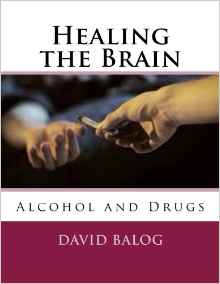
To empower participants, coverage in this book includes a basic coverage of how addiction works in the brain and body. Substance abuse topics include: How the brain works; Why is addiction a brain disease? Opioids/heroin; Methamphetamines, cocaine; and Alcohol and marijuana. A related podcast covers support topics for parents, educators, social workers and clergy: Positive parenting as a prevention tool for drug abuse; Communication, encouragement,and negotiations; Setting limits; supervision, and knowing your child's friends. This program is presented by Fred Elia, MS, president of A Thousand Moms, and David Balog, author, Dana Foundation’s Sourcebook of Brain Science and Healing the Brain: Stress, Trauma and Development.
Contributions are encouraged to support the ongoing work of A Thousand Moms. All contributions are tax deductible.
Supporters who can contribute $20 or more will receive a hardbound copy of the book. An e-pub version is available for $2.00.
Please make contributions at www.athousandmoms.org.
Click the donate bar.


Founded in 2009, A Thousand Moms builds community support for LGBT/Q youth in foster/adoptive care. It is a program of the National Association of Former Foster Children, a registered 501(c)3 organization.

Monday, July 17, 2017

Why do people take drugs?

Join us for our Network of Support!

Here's a preview:
 
Why do people take drugs?

In general, people begin taking drugs for a variety of reasons:

  • To feel good. Most abused drugs produce intense feelings of pleasure. This initial sensation of euphoria is followed by other effects, which differ with the type of drug used. For example, with stimulants such as cocaine, the “high” is followed by feelings of power, self-confidence, and increased energy. In contrast, the euphoria caused by opiates such as heroin is followed by feelings of relaxation and satisfaction.   
  • To feel better. Some people who suffer from social anxiety, stress-related disorders, and depression begin abusing drugs in an attempt to lessen feelings of distress. Stress can play a major role in beginning drug use, continuing drug abuse, or relapse in patients recovering from addiction.
  • To do better. Some people feel pressure to chemically enhance or improve their cognitive or athletic performance, which can play a role in initial experimentation and continued abuse of drugs such as prescription stimulants or anabolic/androgenic steroids.
  • Curiosity and “because others are doing it.” In this respect adolescents are particularly vulnerable because of the strong influence of peer pressure. Teens are more likely than adults to engage in risky or daring behaviors to impress their friends and express their independence from parental and social rules.


Over time, if drug use continues, other pleasurable activities become less pleasurable, and taking the drug becomes necessary for the user just to feel “normal.”

Saturday, July 1, 2017

The Addiction Crisis: New Education Series for Parents, Teachers, Other Concerned Individuals

Please join us...for your family, for yourself.

Save the dates and register now for our "Network of Support: The Addiction Crisis and Our Families." A four-part conference call series on the basics of drug addiction as a brain disease and strategies for parents, teachers, and social workers to better cope with this crisis.

PLEASE SHARE THIS EMAIL WITH YOUR COLLEAGUES, CLIENTS, ETC.

 
Network of Support: The Addiction Crisis and Our Families
A four-part conference-call series for educators, parents, social workers, and other concerned individuals. Tuesdays--July 18, July 25, August 1, and August 8. 11:00 am-12:00 pm EDT or Wednesdays, July 19. July 26. August 2. and August 9, 7:00 pm-8:00 pm EDT. Presented by Fred Elia, president, A Thousand Moms, and David Balog, author, Dana Foundation’s Sourcebook of Brain Science and Healing the Brain: Stress, Trauma and LGBT/Q Youth.
Overdoses are now the leading cause of death in Americans under 50. Only 1 in 4 Americans with opioid addiction are getting the treatment they need. The national opioid addiction crisis is poised to get even worse as new synthetic drugs are introduced. The consequences for the foster care system are stark, and in particular, for LGBT/Q youth in foster care.

Presented in clear, uncomplicated language

To empower participants, coverage in this series will include the basic science behind addiction and why this understanding is so important. Each session will also offer practical strategies for coping with current or potential abuse by a loved one. Topics and dates:

Program:
 
How the Brain Works; Why is addiction a brain disease and why does it matter? Positive Parenting Prevents Drug Abuse: Communication. 60 mins Tues., July 18. 11:00 am - 12:00 pm EDT., or Wed., July 19. 7:00 pm - 8:00 pm EDT. 
 
Opioid/Heroin Abuse: From prescription painkiller to killer. Positive Parenting Prevents Drug Abuse: Encouragement, Negotiation. 60 mins Tues., July 25. 11:00 am - 12:00 pm EDT or Wed., July 26. 7:00 pm - 8:00 pm EDT. 
 
Methamphetamines, Cocaine: Dopamine, the body's life-or-death chemical. Positive Parenting Prevents Drug Abuse: Setting Limits, Supervision. 60 mins. Tues., Aug. 1. 11:00 am - 12:00 pm EDT or Wed., Aug. 2. 7:00 pm - 8:00 pm EDT. 
 
Alcohol, Marijuana: Different means and underestimated. Positive Parenting Prevents Drug Abuse: Knowing your child's friends.60 mins. Tues, Aug. 8. 11:00 am - 12:00 pm EDT. or Wed., Aug. 9. 7:00 pm - 8:00 pm EDT. 
Cost:
  • Organizations, $30 per session, or $100 for all 4 sessions (unlimited access).
  • Individuals: $15 per session, $40 for the entire series.
  • Scholarships available on a limited basis. Write or call to inquire.
  • Contributions are tax deductible.
Lines are limited. RSVP ASAP by July 9 to athousandmoms@yahoo.com or call 518 322-0607. Reserve your line with a contribution to www.AThousandMoms.org

Checks can be mailed to A Thousand Moms, 2367 Curry Road, Schenectady NY 12303.

You will be notified by email of the number to call, with the log-in code. Handouts for each session will be e-mailed to participants.