Showing posts with label learning. Show all posts

Friday, September 27, 2019

Coffee and Chocolate Make You Smarter

From Inc.com

There's no longer any controversy: Every healthy diet should include at least some caffeine.

GETTY IMAGES
Neuroscience continues to uncover new ways that coffee and (to a lesser extent) tea and chocolate, tend to make brains healthier and more resilient. 2019 has already seen some amazing research breakthroughs that are definitely worth sharing.
First, a joint study from the National Institute on Aging and Johns Hopkins University, and published last January in Neurochemical Research magazine, discovered that a methylxanthines--a class of chemical found in coffee, tea and dark chocolate (cacao)
Get brain basics in clear language. Click here!

"has clear effects on neuronal network activity, promotes sustained cognitive performance and can protect neurons against dysfunction and death in animal models of stroke, Alzheimer's disease and Parkinson's disease."
That same study also discovered that xanthine metabolites--a chemical released when your brain processes caffeine, "may also contribute to the beneficial effects of coffee, tea and cacao on brain health."
Second, a meta-analysis of 11 studies on the impact of coffee on brain health and published in World Journal of Surgical Oncology showed that both coffee and tea (and thus, by extension, cacao) doesn't just reduce the risk of alzheimer's disease but also reduces the risk of brain cancer.
Finally, a groundbreaking study at Okayama University
"indicated that intake of coffee components, CA and CGA, enhanced the antioxidative properties of glial cells and prevents rotenone-induced neurodegeneration in both the brain and myenteric plexus."
Translation: caffeine makes your brain more flexible and resilient.
The big takeaway: if you want to keep your brain healthy both today and in the future as you age, you should be consuming coffee, tea, or cacao.
How much?
Well, chances are you're not consuming enough. Studies have shown that the ideal daily dosage of coffee is about six to eight 8oz cups, ideally consumed prior to 2pm so that it doesn't disturb your sleep.
If that sounds like too much coffee, consider replacing a cup or two with an ounce of dark chocolate. It need hardly be said that, for other health reasons, you should be consuming coffee, tea and cacao without sugar or creamer.  But you still get the brain-boost, regardless.
Get brain basics in clear language. Click here!

Monday, July 22, 2019

Short exercise boosts memory


Researchers discover a gene in mice that's activated by brief periods of exercise

Date: July 2, 2019
Source:
Oregon Health & Science University

Summary:
Neuroscientists, working with mice, have discovered that a short burst of exercise directly boosts the function of a gene that increases connections between neurons in the hippocampus, the region of the brain associated with learning and memory.


FULL STORY

Neuroscientists at OHSU in Portland, Oregon, working with mice, have discovered that a short burst of exercise directly boosts the function of a gene that increases connections between neurons in the hippocampus, the region of the brain associated with learning and memory.

The research is published online in the journal eLife.

"Exercise is cheap, and you don't necessarily need a fancy gym membership or have to run 10 miles a day," said co-senior author Gary Westbrook, M.D., senior scientist at the OHSU Vollum Institute and Dixon Professor of Neurology in the OHSU School of Medicine.

Previous research in animals and in people shows that regular exercise promotes general brain health. However, it's hard to untangle the overall benefits of exercise to the heart, liver and muscles from the specific effect on the brain. For example, a healthy heart oxygenates the whole body, including the brain.

"Previous studies of exercise almost all focus on sustained exercise," Westbrook said. "As neuroscientists, it's not that we don't care about the benefits on the heart and muscles but we wanted to know the brain-specific benefit of exercise."

So the scientists designed a study in mice that specifically measured the brain's response to single bouts of exercise in otherwise sedentary mice that were placed for short periods on running wheels. The mice ran a few kilometers in two hours.

The study found that short-term bursts of exercise -- the human equivalent of a weekly game of pickup basketball, or 4,000 steps -- promoted an increase in synapses in the hippocampus. Scientists made the key discovery by analyzing genes that were increased in single neurons activated during exercise.

Friday, October 6, 2017

Diabetics (and everyone): America runs on sugar...and poorly


Image by Catherine MacBride via Getty Images
We know that too much sugar is bad for our waistlines and our heart health, but now there’s mounting evidence that high levels of sugar consumption can also have a negative effect on brain health — from cognitive function to psychological wellbeing.

While sugar is nothing to be too concerned about in small quantities, most of us are simply eating too much of it. The sweet stuff — which also goes by names like glucose, fructose, honey and corn syrup — is found in 74 percent of packaged foods in our supermarkets. And while the Word Health Organization recommends that only 5 percent of daily caloric intake come from sugar, the typical American diet is comprised of 13 percent calories from sugar.


It begins and ends in the brain. Get brain-smart! Order on Amazon.
“Many Americans eat about five times the amount of sugar they should consume,” Natasa Janicic-Kahric, an associate professor of medicine at Georgetown University Hospital, told The Washington Post.

It’s easy to see how we can get hooked on sugar. However, we should be aware of the risks that a high-sugar diet poses for brain function and mental well-being.

Here’s what you need to know about how overconsumption of sugar could wreak havoc on your brain.

It creates a vicious cycle of intense cravings.
When a person consumes sugar, just like any food, it activates the tongue’s taste receptors. Then, signals are sent to the brain, lighting up reward pathways and causing a surge of feel-good hormones, like dopamine, to be released. Sugar “hijacks the brain’s reward pathway,” neuroscientist Jordan Gaines Lewis explained. And while stimulating the brain’s reward system with a piece of chocolate now and then is pleasurable and probably harmless, when the reward system is activated too much and too frequently, we start to run into problems.

“Over-activating this reward system kickstarts a series of unfortunate events — loss of control, craving, and increased tolerance to sugar,” neuroscientist Nicole Avena explained in a TED-Ed video.

In fact, research has shown that the brains of obese children actually light up differently when they taste sugar, reflecting an elevated “food reward” response. This suggests that their brain circuitry may predispose these children to a lifetime of intense sugar cravings.

It impairs memory and learning skills.
A 2012 study on rats, conducted by researchers at UCLA, found that a diet high in fructose (that’s just another word for sugar) hinders learning and memory by literally slowing down the brain. The researchers found that rats who over-consumed fructose had damaged synaptic activity in the brain, meaning that communication among brain cells was impaired.

Heavy sugar intake caused the rats to develop a resistance to insulin — a hormone that controls blood sugar levels and also regulates the function of brain cells. Insulin strengthens the synaptic connections between brain cells, helping them to communicate better and thereby form stronger memories. So when insulin levels in the brain are lowered as the result of excess sugar consumption, cognition can be impaired.

“Insulin is important in the body for controlling blood sugar, but it may play a different role in the brain,” Dr. Fernando Gomez-Pinilla, the study’s lead author, said in a statement. “Our study shows that a high-fructose diet harms the brain as well as the body. This is something new.”

It may cause or contribute to depression and anxiety.
If you’ve ever experienced a sugar crash, then you know that sudden peaks and drops in blood sugar levels can cause you to experience symptoms like irritability, mood swings, brain fog and fatigue. That’s because eating a sugar-laden donut or drinking a soda causes blood sugar levels to spike upon consumption and then plummet. When your blood sugar inevitably dips back down (hence the “crash”), you may find yourself feeling anxious, moody or depressed.

...

Chronically high blood sugar levels have also been linked to inflammation in the brain. And as some research has suggested, neuroinflammation may be one possible cause of depression.
Teenagers may be particularly vulnerable to the effects of sugar on mood. A recent study on adolescent mice, conducted by researchers at Emory University School of Medicine, found a diet high in sugar to contribute to depression and anxiety-like behavior.

Research has also found that people who eat a standard American diet that’s high in processed foods — which typically contain high amounts of saturated fat, sugar and salt — are at an increased risk for developing depression, compared to those who eat a whole foods diet that’s lower in sugar.

It’s a risk factor for age-related cognitive decline and dementia.
A growing body of research suggests that a sugar-heavy diet could increase risk for developing Alzheimer’s disease. A 2013 study found that insulin resistance and blood glucose levels — which are hallmarks of diabetes — are linked with a greater risk for developing neurodegenerative disorders like Alzheimer’s. The research “offers more evidence that the brain is a target organ for damage by high blood sugar,” endocrinologist Dr. Medha Munshi told the New York Times.
Some researchers, in fact, have even referred to Alzheimer’s as “Type 3 Diabetes” — which suggests that diet may have some role in an individual’s risk for developing the disease.

  • Arizona Raspberry Iced Tea
    Amazon.com
    These recognizable-anywhere cans are bad news: They contain 23.5 ounces, nearly three times the suggested serving size for the tea inside. With 90 calories per 8 ounces, finishing an entire can adds up to almost 270.

    Photo from Amazon.com

  • Starbucks Bottled Mocha Frappuccino
    Amazon.com
    The 9.5-ounce Starbucks to go contains 180 calories.

    Photo from Amazon.com

  • Jamba Juice Smoothies
    Granted, Jamba Juice All Fruit smoothies are made with much better-for-you ingredients than a can of cola. However, it’s still easy to mindlessly sip your calories when a 16-ounce size clocks in at least 210 calories.

    Flickr photo by libookperson

  • Minute Maid Lemonade
    Amazon.com
    A 12-ounce can of the summer favorite clocks in at 150 calories, more than a can of Coke and the same as a can of Pepsi.

    Photo from Amazon.com

  • Snapple Apple Fruit Drink
    Amazon.com
    There are 100 calories in every 8 ounces of this fruity pick, but the bottle is deceiving, since it packs 16 ounces.

    Photo from Amazon.com

  • Sunkist Orange Soda
    Amazon.com
    There are 170 calories per 12-ounce can of this sweet drink.

    Photo from Amazon.com

  • Dr. Pepper
    Amazon.com
    A 12-ounce can clocks in at 150 calories, more than a can of Coke and the same as a can of Pepsi.

    Photo from Amazon.com

  • Dunkin’ Donuts Strawberry Coolatta
    Even the small size of this frozen concoction from the coffee chain is a diet danger, with 230 calories in 16 ounces.

    Flickr photo by ReneS

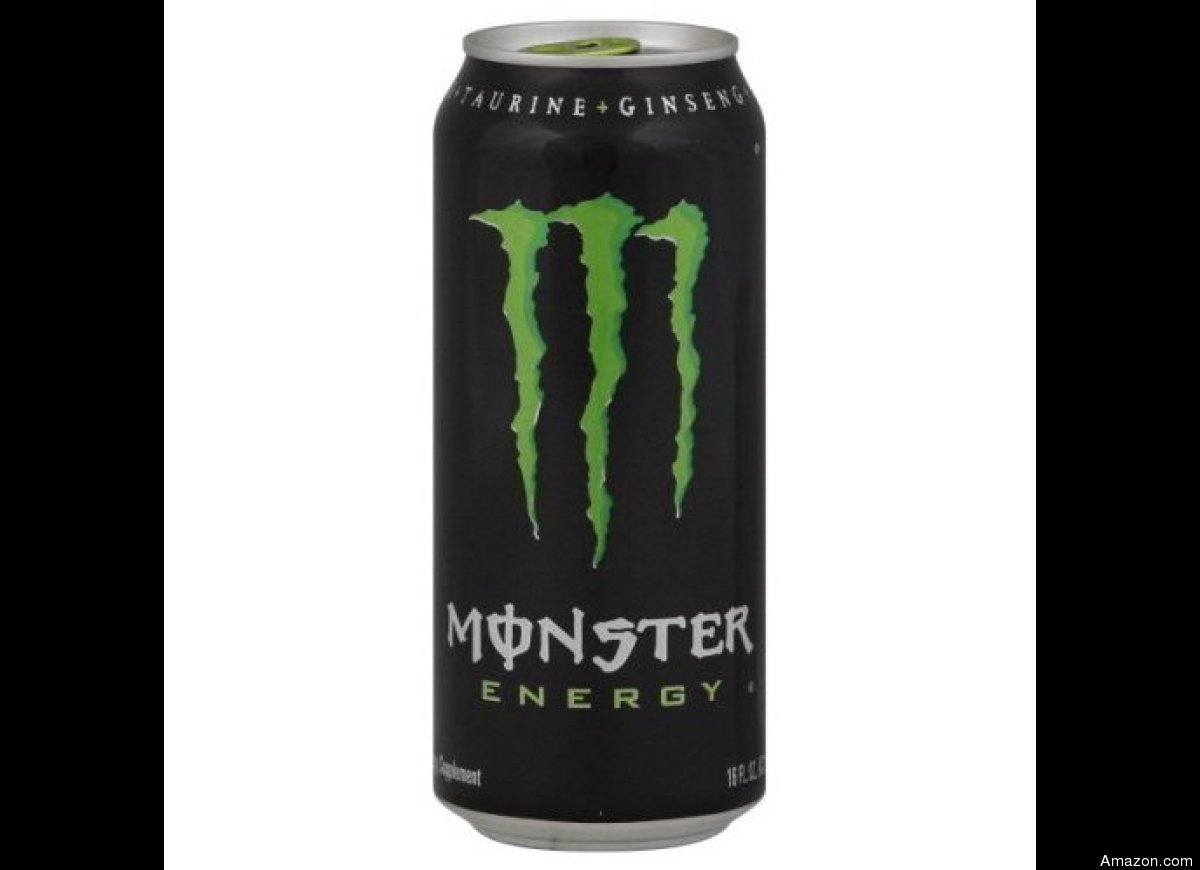
  • Monster Energy Drink
    Amazon.com
    There are only 100 calories in 8 ounces of this pick-me-up, but who only drinks half a can? The whole thing will set you back 200 calories.

    Photo from Amazon.com

  • Nesquik Lowfat Chocolate Milk
    Amazon.com
    An 8-ounce bottle of this sweet sip adds up to 170 calories. Beware of larger sizes that encourage bigger portions.

    Photo from Amazon.com

  • Barq’s Root Beer
    Amazon.com
    Each 12-ounce can contains 160 calories.

    Courtesy, Huffington Post

Diabetes and Your Brain: Understand the Connection & Safeguard Your Health

diabetes and the brain


Get a basic, non-complicated description of your brain!

First, What Can You Do?

Glucose (sugar) is the brain's only food. So a disease that involves the body's sugar levels needs special attention.

By tightly controlling diabetes and working on holistic ways to reverse diabetes via adopting a healthier diet and lifestyle, it is possible to prevent cognitive decline that often comes with poorly managed diabetes. In fact, studies have found that diabetes prevention and glucose control in midlife may protect against late-life cognitive decline, so it’s important to act now!

Diabetes is characterized by high blood sugar levels that result from the body’s inability to produce and/or use insulin. As can be imagined, these increased blood sugar levels have a harmful impact on the whole body, and the brain is no exception.
The human brain is a complex organ, and hence is very sensitive to the harmful effects of high or low blood sugar levels, since glucose and oxygen are the main fuel for brain function.
Now diabetes is a double edged sword — both hyperglycemia (or high blood glucose that comes with poorly managed diabetes) as well as hypoglycemia (or low blood glucose that can be caused by diabetes treatment) can negatively impact the brain. For diabetics, chance of brain related complications is just one more reason to keep your diabetes under control.

Effects of High Blood Glucose On The Brain

High levels of blood glucose entering the brain cause damage to blood vessels over time. The brain’s white matter is the area where nerves are linked and communicate in order to carry out every day activities of life. Think of the white matter as the subway of the brain, providing the essential connectivity, and uniting different regions of the brain into networks that perform various mental operations. When excess blood sugar levels damage the small blood vessels of the brain, this connectivity is disrupted and the result is often a dramatic disturbance of normal mental function. Over time, this damage causes changes in thinking, known as vascular cognitive impairment or vascular dementia.

Several scientific research studies have found that the longer you have diabetes, the more of a chance there is of cognitive impairment. Research done at Harvard Medical School found evidence that “Type 2 diabetes is associated with ... atrophy involving several brain regions...and this effect is intensified in cases with uncontrolled diabetes”. Both this study as well as another study published in The Official Journal of the American Academy of Neurology found a link between diabetes and cognitive impairment. These studies prove that in older people suffering from Type 2 Diabetes, diabetes-related-inflammation further ... accelerates decline in executive function and daily activities performance.
Besides cognitive function, diabetes also affects memory and can result in poor reasoning during intellectual tasks.
What is surprising here is that most doctors with a clinical practice treating diabetes every day find that cognitive impairment is less common in patients with diabetes Type 1, as this kind of diabetes is insulin-dependent and hence, often well-controlled. They find that in general, patients with Type 2 diabetes have developed this condition, because they’re less fit and lead a sedentary, unhealthy lifestyle, which also leads to obesity, heart disease, high cholesterol levels and high blood pressure – all of which can result in inflammation that also damages the blood vessels of the brain.

Source: Sepalika.com

Upcoming: The Effects of Low Blood Glucose on the Brain

Saturday, September 2, 2017

Limited offer: free e-books on the brain and health


These books, part of the Healing the Brain Series from A Thousand Moms cover topics important to teachers, students, parents, counselors...anybody concened with their family, their friends, theirselves. Please take a look, download these flipbooks, and share. 

About the author: David Balog is chief information officer for A Thousand Moms: Building Community Support for Lesbian, Gay, Bisexual and Transgender Youth in Foster/Adoptive Care. He was a science/medical writer at the Dana Foundation in New York City, where he created, wrote and edited the Dana Sourcebook of Brain Science through four editions. More than 50,000 copies of this widely acclaimed book was distributed to teachers, students, and professionals in all 50 states and numerous other countries.


Amazon.com reviews: Author David Balog has done an excellent job of creating a book for educators (or anyone working with youth) that explains the complicated workings of the brain in an easy to understand manner. Balog goes on to discuss various types of trauma and how the adolescent brain responds to trauma such as depression, stress, addiction, risk taking, PTSD, etc. 
[A] cohesive narrative about a subject that has been put in the dark by society. I was informed about things I thought I knew plenty about. I was inspired by the read and heavily recommend that anyone reading this reviews invests themselves into this book and the cause it strives for. 
Provides comfort and learning to the reader. Flows easily from one topic to the next and knits tidbits of information together in a unifying mosaic. Easy to read. Difficult to put down. 
CLICK HERE

CLICK HERE


CLICK HERE

CLICK HERE 
CLICK HERE

CLICK HERE

CLICK HERE

CLICK HERE

Tuesday, July 4, 2017

Summer reading: Arm yourself with knowledge for Trumpcare fight

  • The brain controls much of our health. In the healthcare fight, arm yourself with the latest information on brain health. Whether it is drug addiction, stress and trauma, the common headache, memory loss and Alzheimer's, or stroke, there's an e-book for you, for only $2.00 per book for a limited time only. 

    These books are made possible by A Thousand Moms, a 501(c)3 in New York State (officially the National Association of Former Foster Children). Please help us support LGBTQ youth with your donation. Leave a message in your donation message regarding the e-book you wish. Thank you.

    Click here to donate and pick your ebook.


Healing the Brain Series

  • Books for parents, teachers, counselors, clergy and concerned individuals.
  • Presents easy-to-understand coverage of the brain's role in stress and health.

    • Titles also cover Fetal Alcohol Spectrum Disorders, Money & Stress, Concussions & TBI


Praise for Healing the Brain


Author David Balog has done an excellent job of creating a book for educators (or anyone working with youth) that explains the complicated workings of the brain in an easy to understand manner. Balog goes on to discuss various types of trauma and how the adolescent brain responds to trauma such as depression, stress, addiction, risk taking, PTSD, etc. LGBT/Q youth may experience trauma in ways majority youth often do not. The author shares important coping strategies....I highly recommend this book!--Carol Dopp, M.Ed. 


"David Balog understands the strain of alienation, so he tackles this subject with compassion and concern. Mr. Balog draws on his knowledge of brain science to give readers insight into what happens to young people under tremendous stress, and he offers practical advice on how to help and cope."--Gary Cottle, author


"Provides comfort and learning to the reader. Flows easily from one topic to the next and knits tidbits of information together in a unifying mosaic. Easy to read. Difficult to put down." --Michael J. Colucciello, Jr., New York State Dept. of Mental Health researcher, retired.


"Wonderfully written by Mr. Balog. A book that can help medical professionals as well as the general public, Mr Balog has tackled a subject that is complex and he makes it quite approachable. It has added and enriched my own practice of medicine by making me more aware of issues not often discussed in medical circles."--Peter Paganussi, MD, Virginia

Click here to donate and pick your ebook.


Tuesday, January 24, 2017

The Man Who Couldn’t Remember

Our new release, Healing the Brain: Memory gives readers insight into the memory systems in our brain. They make us who we are:

This is the power of memory: a system that captures pictures, smells, sounds, events, directions--endless amounts of information every day--and then seconds or decades later calls it up for us. Memories--what we've learned and what we've done--in a large sense make us who we are. To appreciate this, think if your ability to form any new memories were suddenly cut off.

Who would you be? By studying people who've lost their memories, scientists have learned enormous amounts about how learning and memory work in healthy brains. And what they used to think was relatively straightforward they've since found is fascinatingly complex, thanks in large part to one man.


hm.jpg
Nova/PBS
The man known as H.M. made perhaps the most important contribution to the study of memory after an operation left him unable to form new long-term memories.

In 1953, radical, experimental brain surgery was used on a patient with severe epilepsy. The operation on "H.M." worked, but left him with almost no long-term memory. His case has helped scientists understand much more about the brain. For decades, the Connecticut native, known only by his initials, H.M., was the most famous patient in the study of memory and the human brain. He was a research participant for 53 years, first at the Hartford Hospital with William Beecher Scoville and Brenda Milner, then at the Montreal Neurological Institute, and after 1964 at MIT and Massachusetts General Hospital. At H.M.’s death in 2008, his full name was revealed: Henry Gustav Molaison.

The horrendous price that H.M. paid for an operation that essentially ended his seizures was a severe case of amnesia--an inability to acquire new memories, to commit to memory even the simplest events of his day or the world around him, and then to effectively retrieve those memories. This unintentional experiment, never repeated, showed that the hippocampus and medial temporal lobes are where the brain converts short-term memory into long-term memory.
       
H.M. could remember everything that happened prior to the operation. He could remember the trauma of his childhood. He could remember going to elementary school, to high school, working in the assembly plant. What he couldn't do was hold on to new information for more than a few minutes.